Making Smarter Choices About Hot Water
If you're looking to cut your energy bills and embrace renewable technology, hot water heating is the perfect place to start. In Australian homes, heating water typically accounts for around a quarter of total energy consumption—a significant slice of your power bill. The good news? There are now intelligent solutions designed specifically for Australian conditions that can dramatically reduce how much you spend on grid energy for hot water.
Two popular options are gaining traction among homeowners: Solahart PowerStore and heat pump water heaters. Both represent smart investments in renewable energy, but they work in fundamentally different ways. Understanding these differences will help you choose the system that best suits your home, your roof space, and your energy goals.
Understanding the PowerStore Advantage
How It Captures Your Solar Power
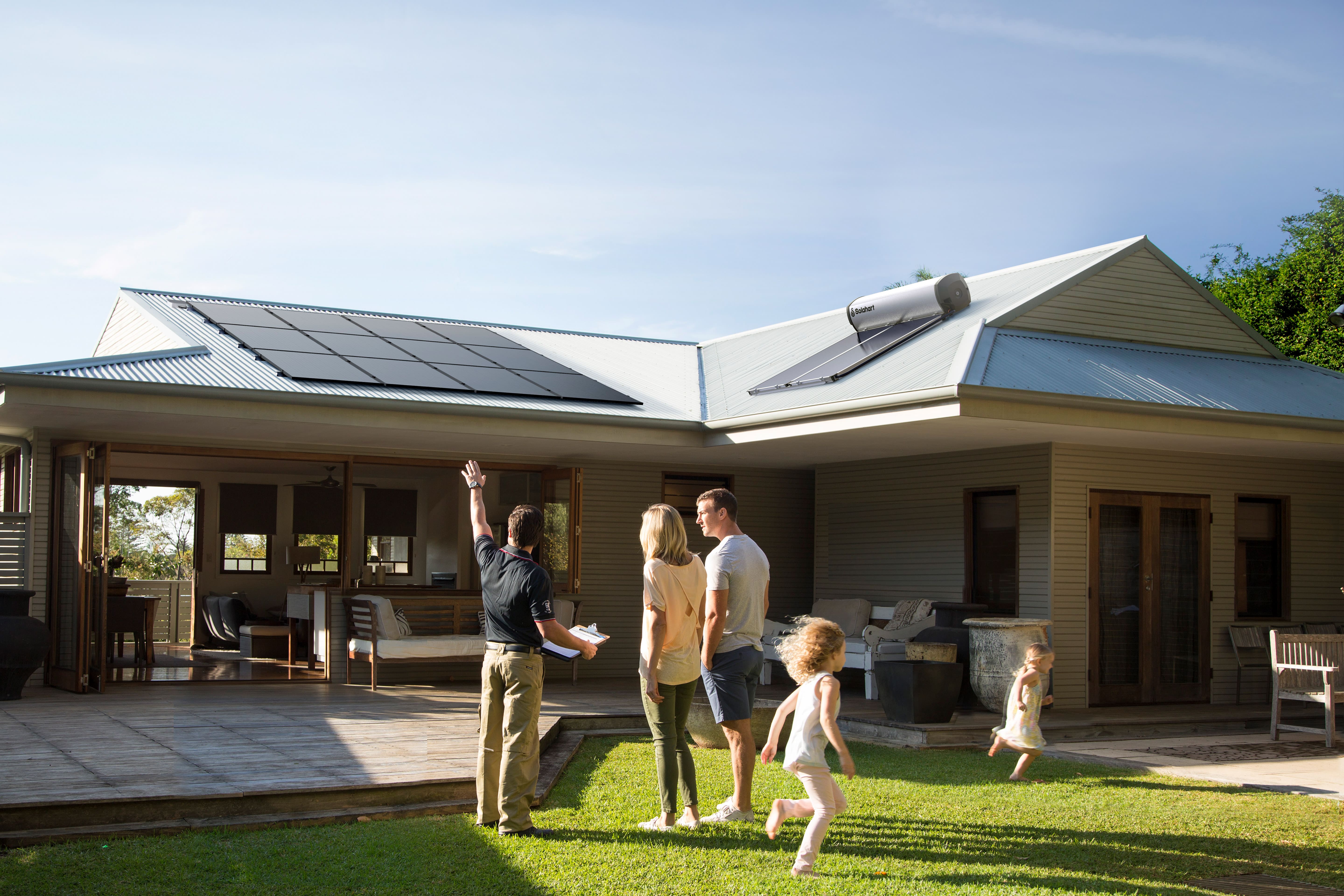
Imagine your rooftop solar panels generating beautiful clean electricity on a sunny day, but nobody's home using it. Traditionally, that excess energy either flows back to the grid for minimal compensation or, in some regions, disappears entirely. It's wasted potential.
Solahart PowerStore changes this equation completely. Rather than thinking of it as just another water heater, picture it as energy storage—but instead of batteries, it stores energy in the form of hot water. When your solar panels produce more electricity than your home is currently using, the PowerStore intelligently springs into action, using that excess power to heat your water.
This works through a sophisticated Home Energy Management System (HEMS) that acts like the brain of your home's energy setup. Using artificial intelligence, it analyses your household's hot water consumption patterns, your solar production history, your energy plan rates, and even weather forecasts. Then it makes intelligent decisions about the optimal moments to heat your water, ensuring you're using your free solar power when it's most abundant and before it disappears back to the grid.
The Technology Behind It
The engineering inside PowerStore is genuinely impressive. It employs advanced temperature-sensing technology and a two-stage heating process that maximises efficiency. Triple-blade heating units ensure that every bit of available solar energy translates into usable hot water. Add the smart monitoring through the Solahart atHome web app, and you've got complete visibility into your system's performance right from your smartphone.
The Heat Pump Alternative
When Solar Panels Aren't an Option
Heat pumps offer a completely different pathway to renewable hot water, and they're particularly valuable if your roof isn't suitable for solar panels or if you want a standalone renewable solution.
Think of a heat pump as a reverse-cycle air conditioner dedicated entirely to heating water. Rather than converting electricity into heat directly (like traditional electric heaters), it extracts thermal energy from the surrounding air and transfers it into your water tank. This process is remarkably efficient because it's leveraging energy that's already present in the environment.
The Solahart Atmos Frost Heat Pump exemplifies this technology. Its micro-channel heat exchanger design creates a larger surface area for heat transfer, allowing faster and more efficient water heating compared to conventional electric systems. Even during cold Australian winter nights, a 2.4kW backup heating element ensures you'll always have reliable hot water available.
For everyday operation, the user-friendly touchscreen display keeps you informed about water temperature, usable hot water quantity, and even offers a manual electric heating mode for emergency situations.
Comparing the Two Systems
Performance Characteristics
Solahart PowerStore shines when you have solar panels installed. It's specifically engineered to maximise the value of your rooftop investment by using every kilowatt of excess power to heat water. If maximising your solar self-consumption is your priority, this is your answer.
Heat pumps, conversely, don't depend on solar panels at all. They work 24/7, pulling energy from ambient air temperature to provide hot water regardless of weather or time of day. This makes them excellent for homes where roof space is limited or unsuitable for solar installation.
Installation Flexibility
Both systems offer practical installation advantages. PowerStore can be installed indoors or outdoors, making it adaptable to various home layouts. It serves as an efficient replacement for existing electric or gas water heaters, particularly when you want to maximise your solar panel investment.
Heat pumps are equally flexible, often connecting to existing plumbing and electrical infrastructure. This means upgrading from a conventional electric water heater to a heat pump is typically straightforward, without requiring major renovations.
Choosing Your Path Forward
Your choice between these two systems ultimately depends on your specific circumstances. If you've already invested in rooftop solar panels and want to squeeze maximum value from that investment by using every kilowatt of excess production, PowerStore represents an intelligent evolution of your energy system. Its AI-driven management ensures you're heating water at the optimal times, further reducing grid reliance.
If solar panels aren't practical for your situation—perhaps due to roof orientation, shading, or space constraints—a heat pump water heater offers an excellent renewable alternative that works independently, drawing on Australia's abundant ambient air temperature throughout the year.
Both solutions represent meaningful steps toward energy independence, lower electricity bills, and a smaller carbon footprint. The best choice is simply the one that aligns with your home's characteristics and your energy goals.