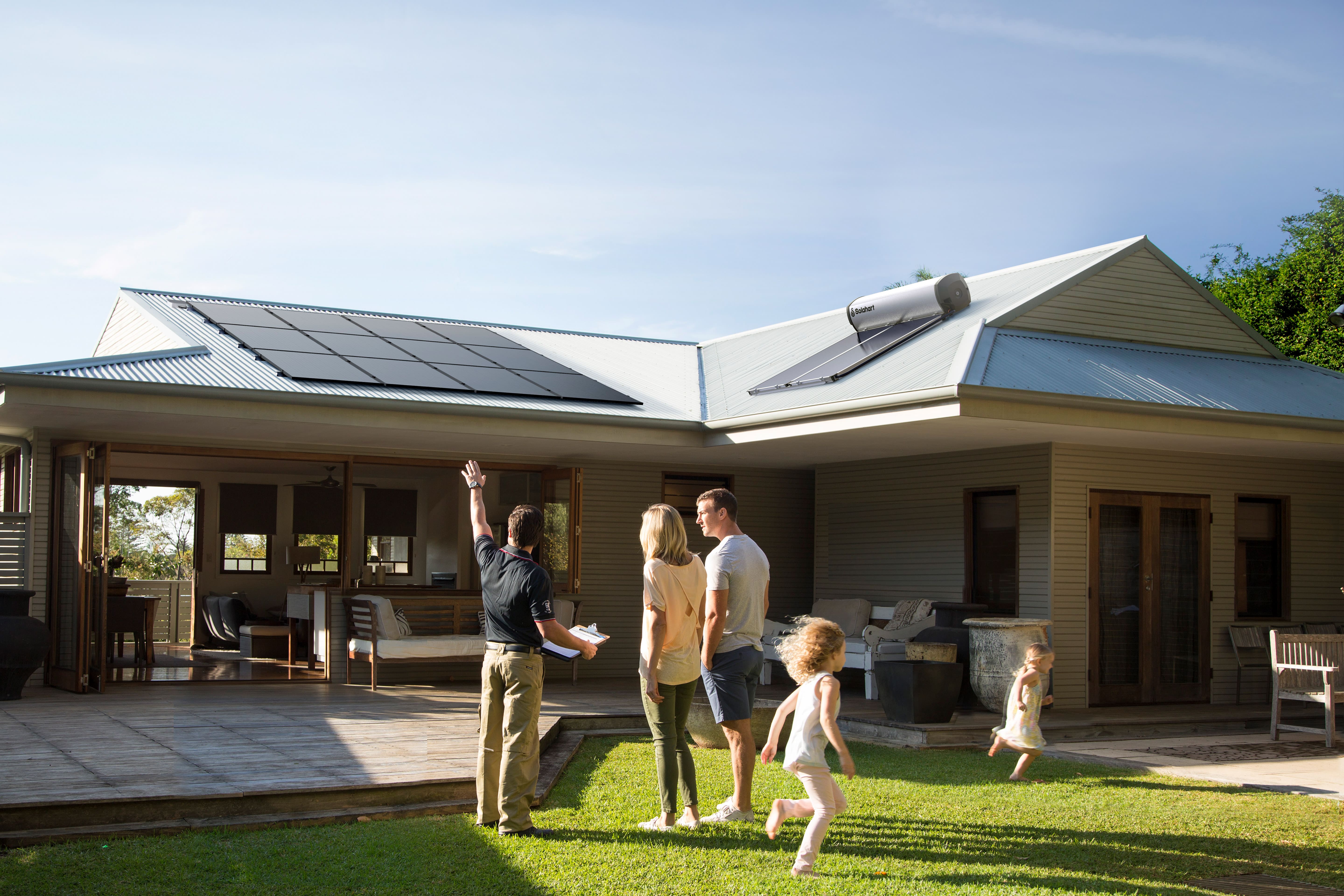
Making Your Solar Investment Work Around the Clock
If you've installed solar panels on your roof, you're already tapping into one of Australia's greatest natural advantages—abundant sunshine. But what happens when the sun sets or clouds roll in? For many Australian households, excess solar energy generated during peak daylight hours simply flows back to the grid, unused. This missed opportunity means you're not getting maximum value from your renewable energy system.
With electricity costs climbing steeply across the country and more households turning to solar power, it makes sense to ask: how can I store my solar energy to use whenever I need it? The good news is there are several proven solutions available today that can transform how you use solar power around your home.
Understanding Your Solar Storage Options
When most people think about storing solar energy, their minds jump straight to batteries. While battery storage is certainly an excellent option, it's not the only way to capture and use your excess solar power. Let's explore the main approaches that work well for Australian families.
Home Battery Systems: The Modern Energy Solution
A home battery system represents the most flexible way to store excess solar electricity for later use. These intelligent devices capture power generated during the day and hold it for use at night, on cloudy days, during peak-rate hours, or even during unexpected outages.
The beauty of battery storage lies in its versatility. You can draw on stored energy whenever you need it most—whether that's powering your home at night, running appliances during expensive peak hours, or maintaining essential services during a blackout.
When choosing a battery system, capacity matters. If you want to maximise storage and support a fully electric household (think electric vehicles and plenty of smart appliances), larger capacity options might suit your needs best. However, if you're just starting your storage journey or plan to expand your setup gradually, scalable battery solutions offer a smart middle ground. These systems grow with your needs and your budget, avoiding the expense of buying more capacity than you currently require.
Solar Hot Water: The Original Energy Storage System
Here's something many Australian homeowners don't realise: your hot water system is actually a form of energy storage. In fact, solar hot water is one of the most efficient ways to store and use solar energy, and it's been proven technology for decades.
Consider this: water heating typically accounts for about a quarter of a typical Australian household's energy consumption. By using excess solar power to heat water during the day—storing that thermal energy for use throughout the evening and beyond—you're effectively capturing and storing solar energy in its most practical form. Hot water sits quietly in your tank, maintaining its temperature and ready to use whenever you need it.
The advantage of solar hot water extends beyond simple storage. It's remarkably cost-effective and requires minimal maintenance. Unlike battery systems, which involve complex electronics, solar hot water systems are straightforward and durable.
The Hybrid Approach: Combining Technologies
Many Australian families find that the best solution isn't choosing between options—it's combining them. Pairing a solar hot water system with a smaller battery storage solution offers an intelligent balance. Your hot water system handles the substantial energy demand of heating water, while a more modest battery system stores electricity for other household needs.
This hybrid strategy delivers several advantages. You reduce overall storage costs by not oversizing your battery system, while ensuring that virtually all your excess solar energy gets used productively rather than flowing back to the grid. Your hot water needs are met efficiently, and you maintain battery reserve capacity for other applications.
Why Storage Matters for Australian Households
The shift toward energy storage isn't just about saving money, though the financial benefits are significant. As more Australian families adopt electric vehicles, install air conditioning systems, and embrace smart home technology, the demand for stored renewable energy becomes increasingly important.
By storing your solar energy instead of exporting it to the grid, you're reducing your household's reliance on grid electricity. This means lower bills, greater energy independence, and the satisfaction of knowing you're using clean, renewable power as much as possible.
Choosing the Right Storage Solution for Your Home
The ideal storage option depends on your specific circumstances. Consider how much excess solar energy you typically generate, your household's daily energy patterns, and your budget for additional installations. Some families need maximum battery capacity; others find solar hot water alone meets their needs; many benefit from a combination approach.
Taking Control of Your Solar Energy
Your rooftop solar system represents a significant investment in clean energy. Why not ensure that investment works for you around the clock? By implementing a smart storage solution—whether that's a home battery, solar hot water system, or a combination of both—you can capture the full value of your solar panels while reducing your dependence on grid electricity. Your future self will thank you when those power bills arrive.