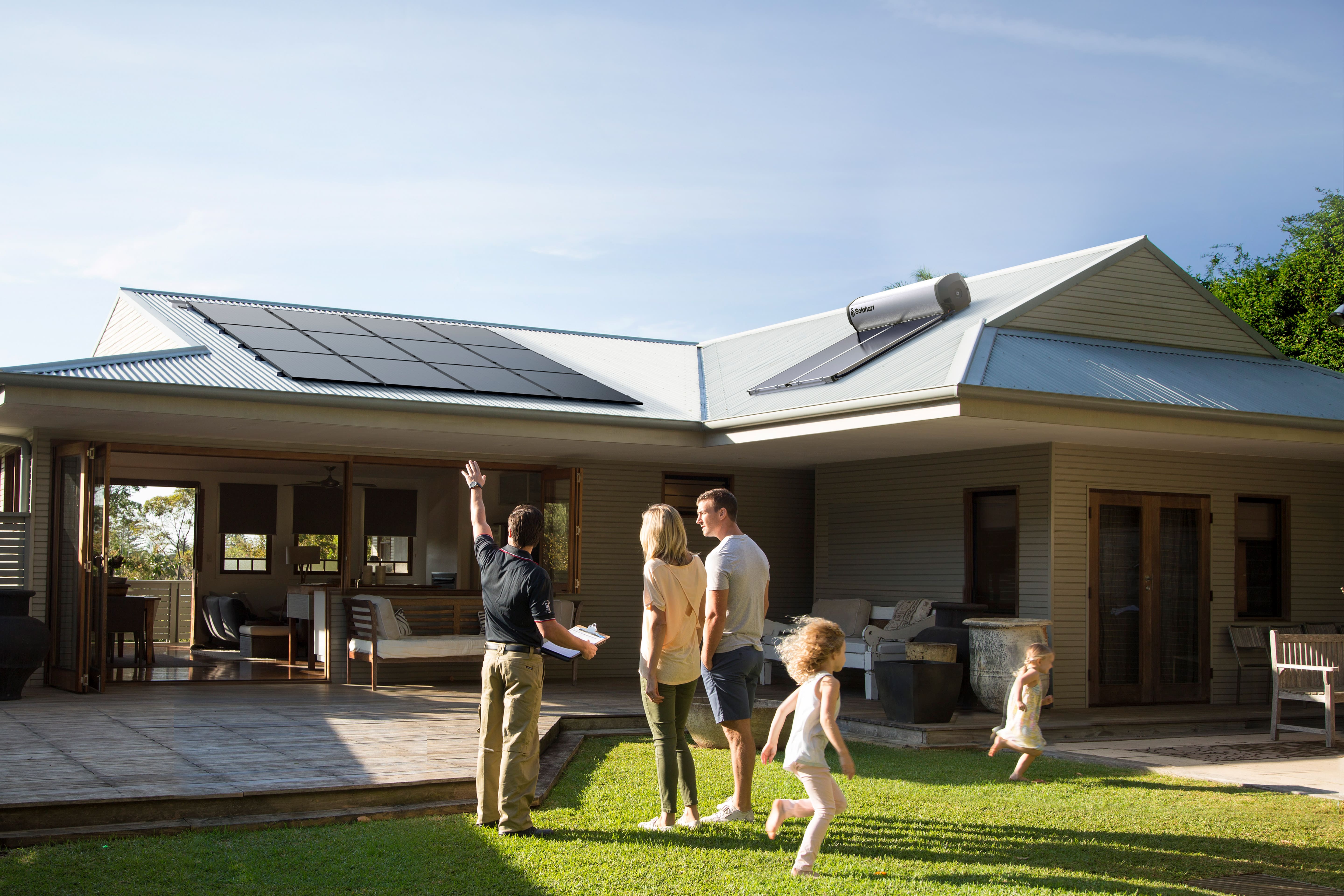
When it comes to heating water efficiently, Australian homeowners are increasingly looking beyond traditional electric and gas systems. Two technologies have emerged as popular choices: solar hot water and electric heat pumps. Both offer environmental benefits and potential cost savings, but they work in quite different ways. Understanding the differences can help you make a decision that works best for your household.
Which option makes more financial sense for your home in 2026 and beyond? The answer depends on several factors unique to your situation, from your climate zone to your daily hot water needs. Let's explore both technologies in detail.
How Solar Hot Water Works
Solar hot water systems have been a trusted Australian solution for decades. They use panels installed on your roof to capture the sun's energy and transfer it directly to heat water stored in a tank. On cloudy days or during winter, most systems include a booster, typically electric or gas, to ensure you always have hot water available.
The beauty of solar hot water is its simplicity and proven track record. Since Australia receives abundant sunshine throughout the year, many regions are ideal for solar thermal systems. Once installed, there's minimal moving machinery and fewer components to maintain compared to other technologies.
The upfront investment for a quality solar hot water system can be significant, but many households may be eligible for government incentives that help offset the initial cost. Over time, the ongoing costs are relatively low because you're harnessing free energy from the sun.
Understanding Electric Heat Pumps
Electric heat pump hot water systems work quite differently. They extract heat from the surrounding air, even on cooler days, and use electricity to pump that heat into your water tank. Think of them as working similar to a refrigerator, but in reverse, to warm water instead of cool it.
Heat pumps have become increasingly popular in recent years because they're highly efficient at converting electrical energy into heat energy. This means they can deliver hot water using considerably less electricity than traditional electric resistance heating.
One advantage of heat pump systems is their flexibility. They can be installed in a wider range of locations and don't depend on roof space or weather conditions in the same way solar systems do. They also tend to have a lower upfront cost compared to solar hot water installations.
Climate and Weather Considerations
Your location in Australia plays a crucial role in determining which system might work best. Solar hot water systems thrive in areas with consistent sunshine, making them particularly effective in northern and inland regions. If you live in a sunnier part of Australia, you can expect your solar booster to operate less frequently, reducing electricity consumption.
Electric heat pumps, by contrast, perform efficiently across most Australian climates. They work even on overcast days and can be a good option if your roof isn't ideal for solar panels or if you have limited roof space. However, they do work most efficiently in warmer climates and may require slightly more electricity during very cold periods.
Installation, Space and Maintenance
Solar hot water systems require roof space with good northern exposure (in the Southern Hemisphere). Installation involves mounting panels, running pipes, and setting up your storage tank and booster system. The initial installation is more complex, but ongoing maintenance is straightforward.
Heat pump systems are more compact and don't require extensive roof work. They can often be installed even where solar isn't practical. The outdoor unit does need some space and good air circulation to function optimally. Maintenance remains relatively simple for both technologies.
At Solahart Brisbane South, our experts can assess your specific situation and advise whether your home is better suited to one system over the other. Contact Solahart Brisbane South today to discuss your property's unique characteristics and constraints.
Long-term Value and Cost Considerations
When evaluating long-term value, consider both the upfront cost and the ongoing operational expenses. Solar hot water typically has a higher initial investment, but lower running costs. Heat pumps generally cost less to install but rely on electricity to operate, meaning your savings depend on your electricity rates and usage patterns.
Electricity prices continue to evolve, and energy consumption patterns vary significantly between households. Some families use hot water more efficiently than others, which affects the potential savings from either system.
Both technologies may qualify for government support schemes designed to encourage renewable energy adoption and reduce household emissions. These incentives can help improve the financial case for either option.
Making Your Decision
Choosing between solar hot water and an electric heat pump isn't about finding one universally better option, it's about finding the right fit for your home, your climate, and your lifestyle.
Solar hot water suits homeowners with suitable roof space, good sun exposure, and a preference for proven technology. Heat pumps work well for those with space constraints, varied climates, or who want a straightforward installation process.
The team at Solahart Brisbane South understands the Australian market and can provide honest guidance tailored to your circumstances. Rather than making assumptions, it's worth having a professional assess your home and discuss both options.
Next Steps
Both solar hot water and electric heat pumps represent smart choices for Australian households looking to improve their energy efficiency. The decision ultimately comes down to your individual situation.
The best way forward is to get personalized advice from experienced professionals who know your local area. Get in touch with Solahart Brisbane South for a free assessment and quote. Our team can evaluate your home, discuss your hot water needs, and help you understand which technology offers the best value for your family.
Energy savings vary depending on household usage and location.